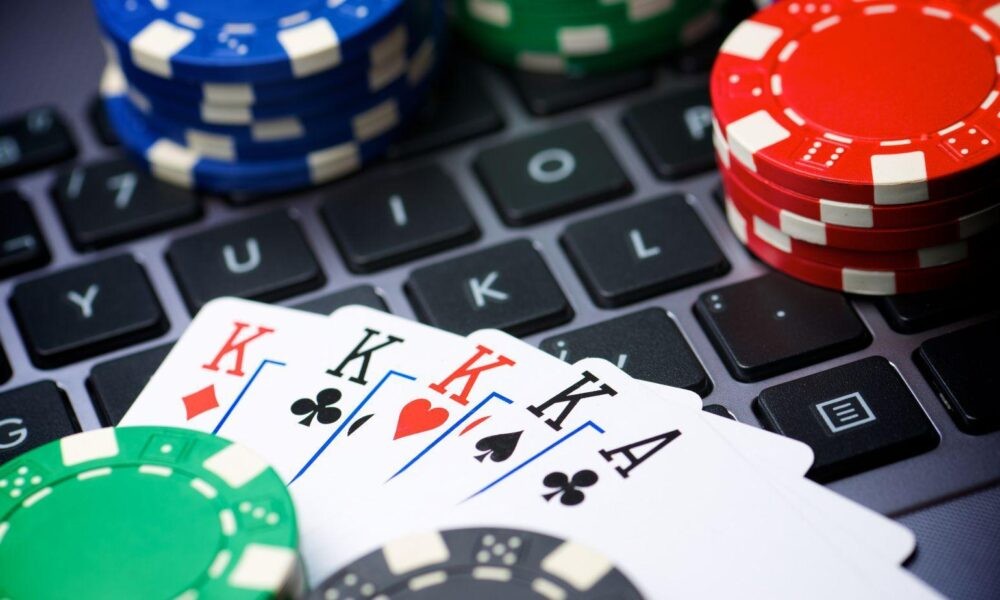
Both formats deal the same core games, since blackjack, roulette, baccarat, and poker anchor every serious catalogue on either side, so the games themselves are the same. Everything around the games separates plenty. A player can sit at two tables running identical rules and still have two noticeably different evenings, because the experience lives in what surrounds the cards as much as in the cards. Players researching the best bitcoin casino for crypto gambling games list before choosing a table room feel these surrounding differences within their first evening, usually starting at the front door and ending at the cashier. Neither side sweeps the comparison, and each holds ground the other cannot easily take, which makes the examination worth running honestly rather than assuming a winner. Sections below place both formats side by side where the differences actually live, and the conclusion hands out the points where the evidence says they belong.
How does table access differ?
Reaching a crypto table takes minutes from a standing start. Registration asks for an email, a wallet deposit confirms quickly, and a seat opens immediately, so the distance between deciding to play and playing stays tiny. Returning players compress it further, moving from login to live hand in under a minute.
Fiat tables sit behind longer entries. Verification precedes real play on most platforms, deposits may wait on banking hours, and the first session often lands a day or more after the first visit. Established fiat players stop noticing the gate, yet the gate stands regardless, and every newcomer pays its toll once. Access as a measure tilts clearly toward the crypto side, since immediacy is structural there rather than promotional.
Variety spread across both formats
Catalogue depth deserves a closer look than most players give it, and the split runs by category rather than by count.
- Core table games appear fully on both sides with comparable quality.
- Rule variations and side bet versions stack similarly across both.
- Live dealer studios serve both formats through the same providers.
- Original formats built on chain mechanics exist mainly on the crypto side.
Provably fair table versions widen the crypto column further, offering verification that fiat tables structurally cannot match. Fiat rooms counter with longer-established tournament scenes in some card games, where deep player pools took years to gather. Variety lands close overall, with crypto edging ahead on formats that cannot exist elsewhere.
Session flow at both tables
Flow covers everything between sitting down and standing up, and the two formats feel different here in quiet ways. Crypto sessions run without interruptions around money, since balances update instantly, rebuys confirm in moments, and leaving with winnings takes minutes, so the game alone sets the rhythm.
Fiat sessions carry small snags at the same points. Topping up mid-session can stall at payment steps, and cashing out opens a waiting period that stretches the session’s end past its last hand. Hands themselves play identically on both sides, yet crypto tables close cleanly while fiat tables trail off, and endings colour how whole evenings get remembered.
Verdict by measure finishes the comparison honestly. Access goes to crypto tables without argument, variety lands nearly even with a crypto edge on chain-native formats, and flow favours crypto through cleaner money movement, while fiat tables keep their point on established tournament depth. Players wanting immediacy sit in crypto, and the comparison respects both chairs.